
Resources
Why people go quiet, and what to do about it
Short, practical reads on psychological safety, anonymous feedback, and the operational issues your team notices before they become culture problems.
Customer feedback
Why guests and buyers stay quiet in person, how silent churn shows up, and how private channels complement public reviews.

Why Customers Don't Always Tell You the Truth
Most customers avoid confrontation. Instead of sharing negative feedback directly, they quietly stop coming back. Learn why traditional feedback fails and how anonymous channels surface more honest insights.

Silent Customers Are More Dangerous Than Angry Ones
An angry customer at least gives you a chance to fix the problem. Silent customers simply disappear. Focus on honest private feedback before customers churn.

Why Public Reviews Don't Tell The Full Story
Public reviews are often emotional extremes. Everyday operational frustrations rarely go online. Anonymous feedback helps businesses hear the middle ground.

The Science Behind Anonymous Feedback
Does anonymity make people more honest? Research says it helps on sensitive topics, criticism, and social pressure. Here is what the studies show, and where anonymity falls short.

Why Most Feedback Forms Fail
Businesses often ask for feedback at the worst moment, with too much friction. Common mistakes and lighter alternatives.

Anonymous Feedback vs Public Reviews
Public reviews influence reputation. Anonymous feedback improves operations. Most businesses need both, for different reasons.
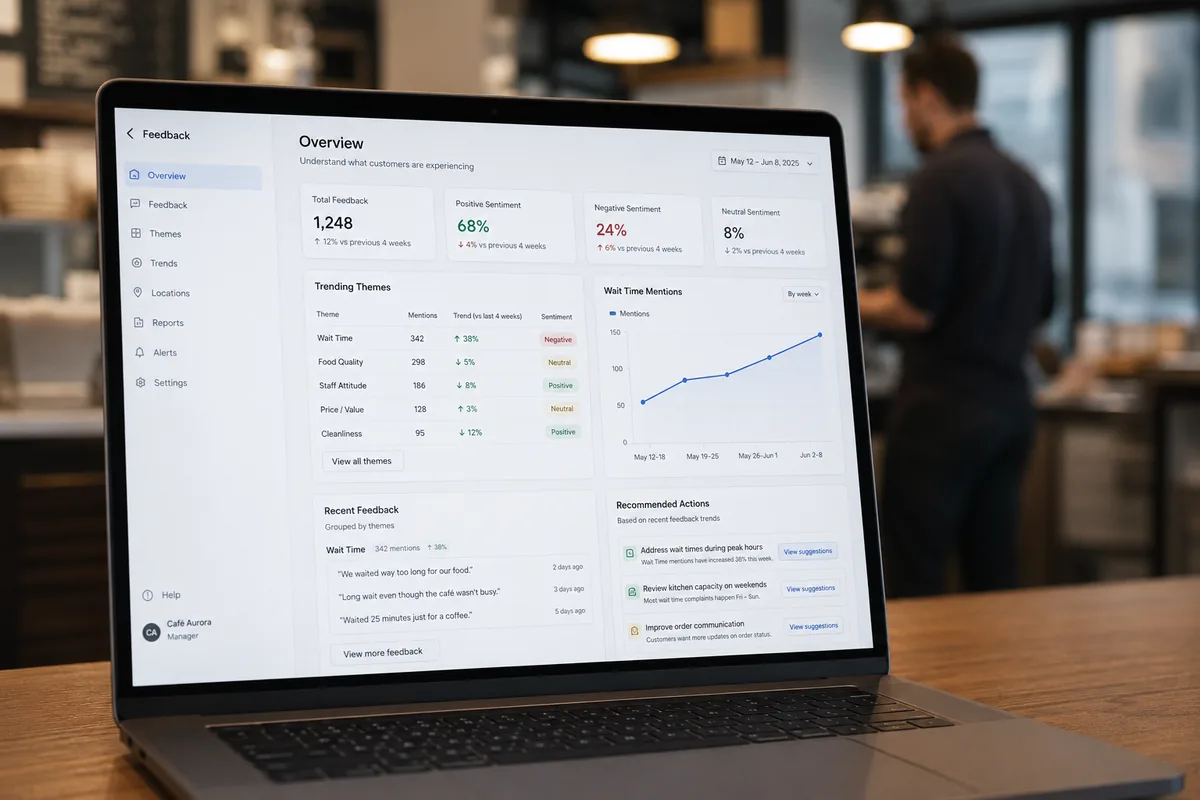
What Customers Actually Want Businesses To Improve
It's rarely dramatic issues that hurt most. Slow service, poor communication, confusing processes, and inconsistency quietly damage trust over time.

The Hidden Cost of Ignored Feedback
Ignoring feedback compounds into lost retention, weaker reputation, and operational blind spots. Explore the real business cost of not listening.
Employee feedback
What your team thinks before turnover spikes: manager friction, scheduling, and operations issues leadership often learns about too late.

The Feedback Your Team Is Afraid To Give
Many workplace issues never get reported because employees fear awkwardness, conflict, or retaliation. Anonymous feedback can uncover operational issues before they become culture problems.

Psychological Safety: The Business Advantage Nobody Talks About
When people feel safe speaking honestly, businesses learn faster. Psychological safety impacts customer experience, employee retention, and operational improvement.
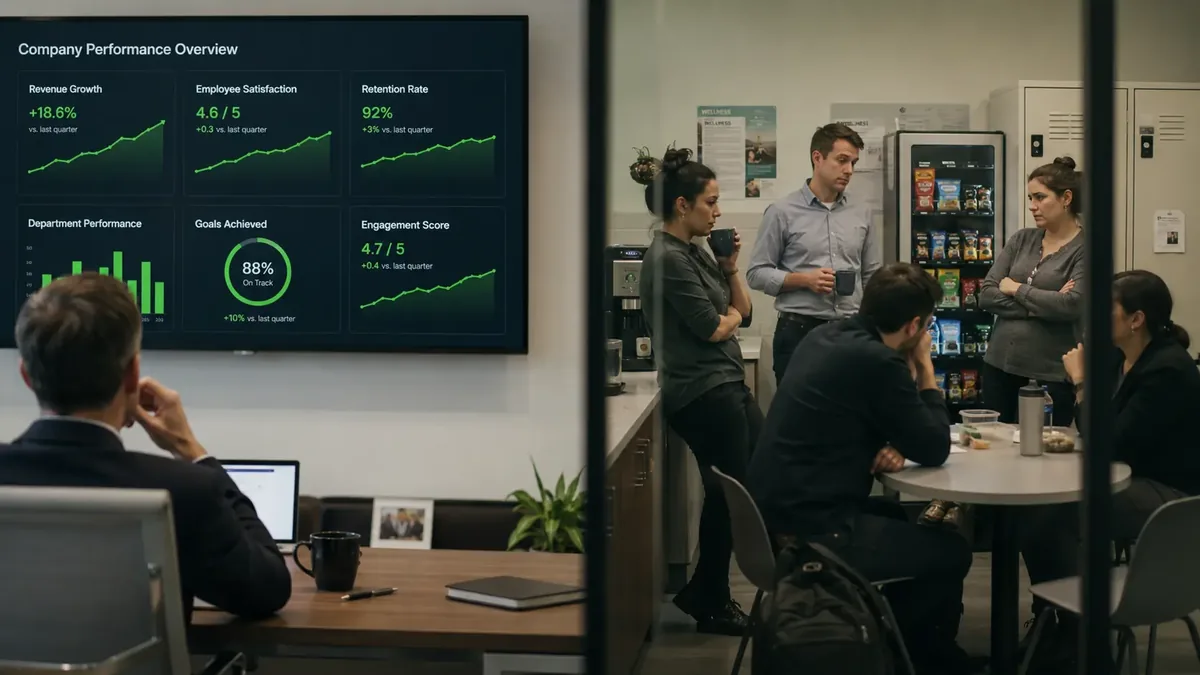
Your Employees Probably Know Why People Are Leaving
Most operational problems are already known internally long before management notices. Anonymous employee feedback surfaces recurring themes like scheduling, managers, and workload without putting individuals on the spot.

Why Exit Interviews Rarely Tell The Full Story
By the time someone quits, trust is often already gone. Exit interviews tend to produce polite, filtered answers, not the operational truth leadership needs to fix turnover.
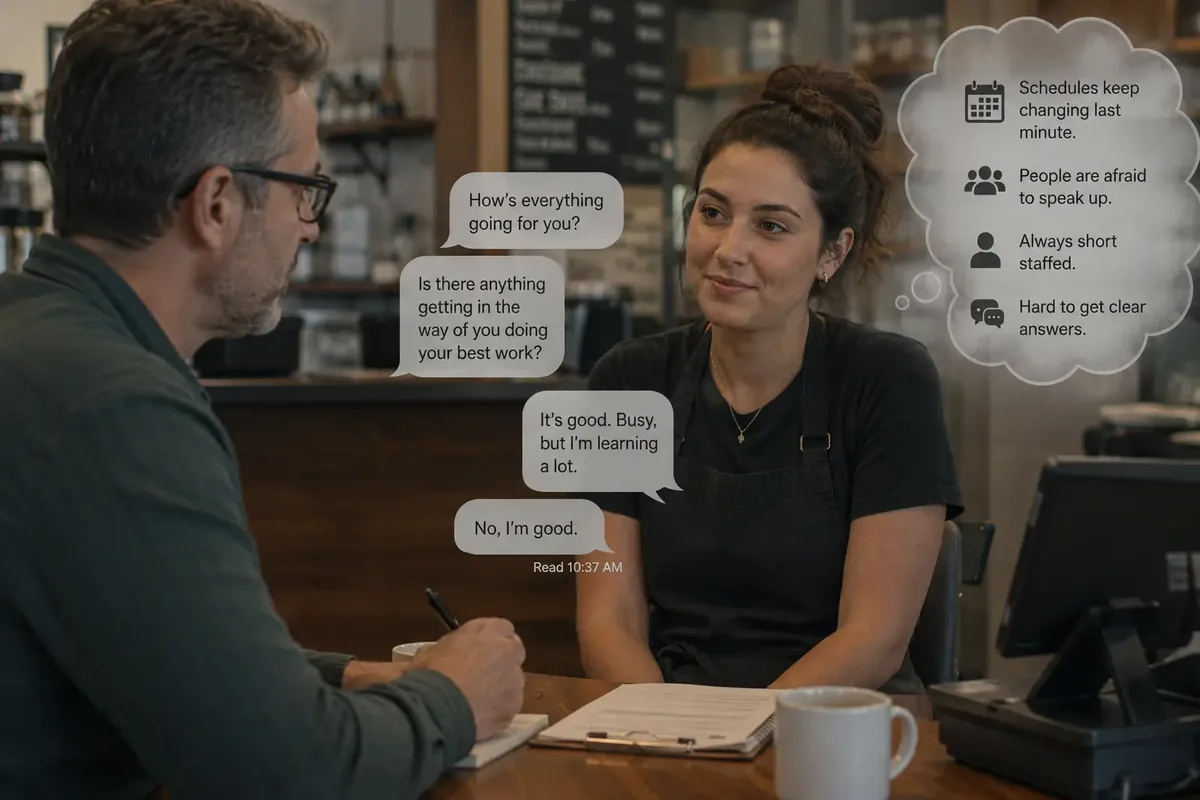
The Problem With Asking Employees For Honest Feedback Face-To-Face
Most employees soften criticism in direct conversations with a manager or owner, especially in small businesses where relationships are personal. That is social risk management, not dishonesty.

The Quiet Employee Problem
The people closest to operational problems are often the least likely to speak in public. Without private channels, leaders hear the loudest voices, not the sharpest observations, from any industry.
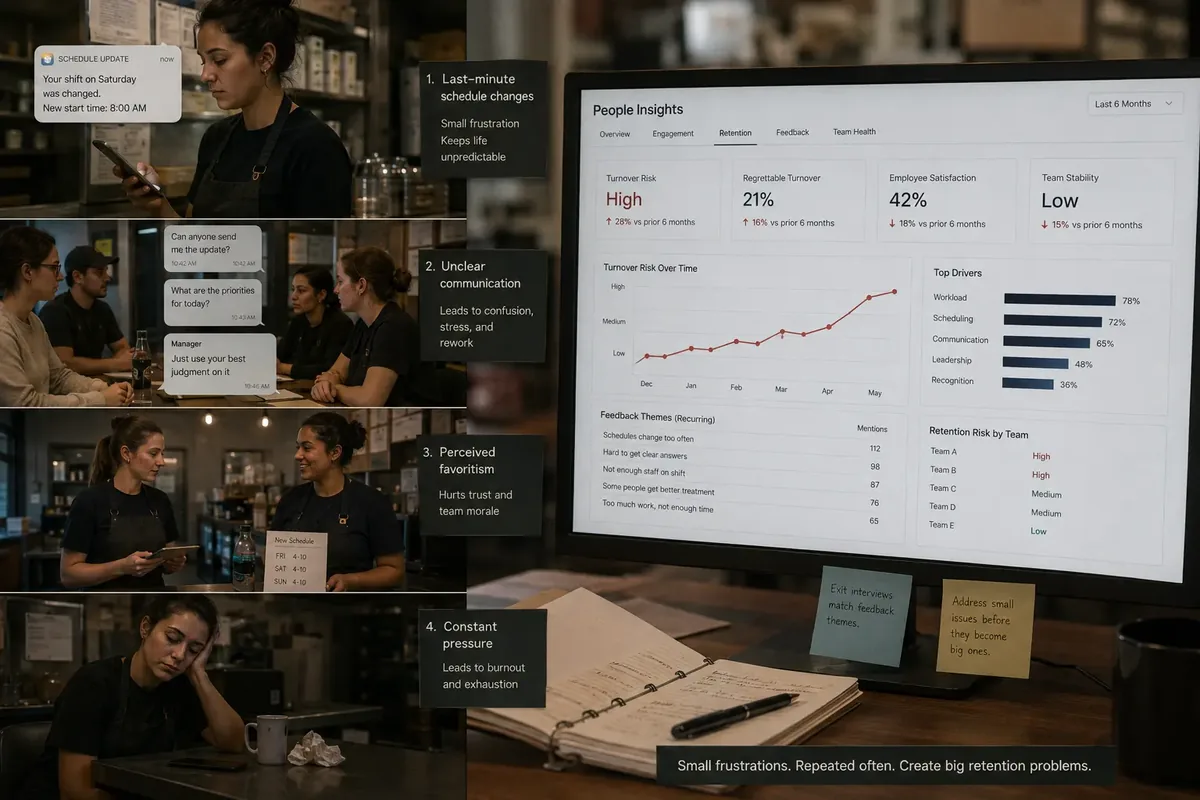
Most Workplace Problems Start Small
Retention and culture crises rarely appear overnight. They grow from recurring small frustrations that people do not feel safe raising, until anonymous patterns make the drift visible early.
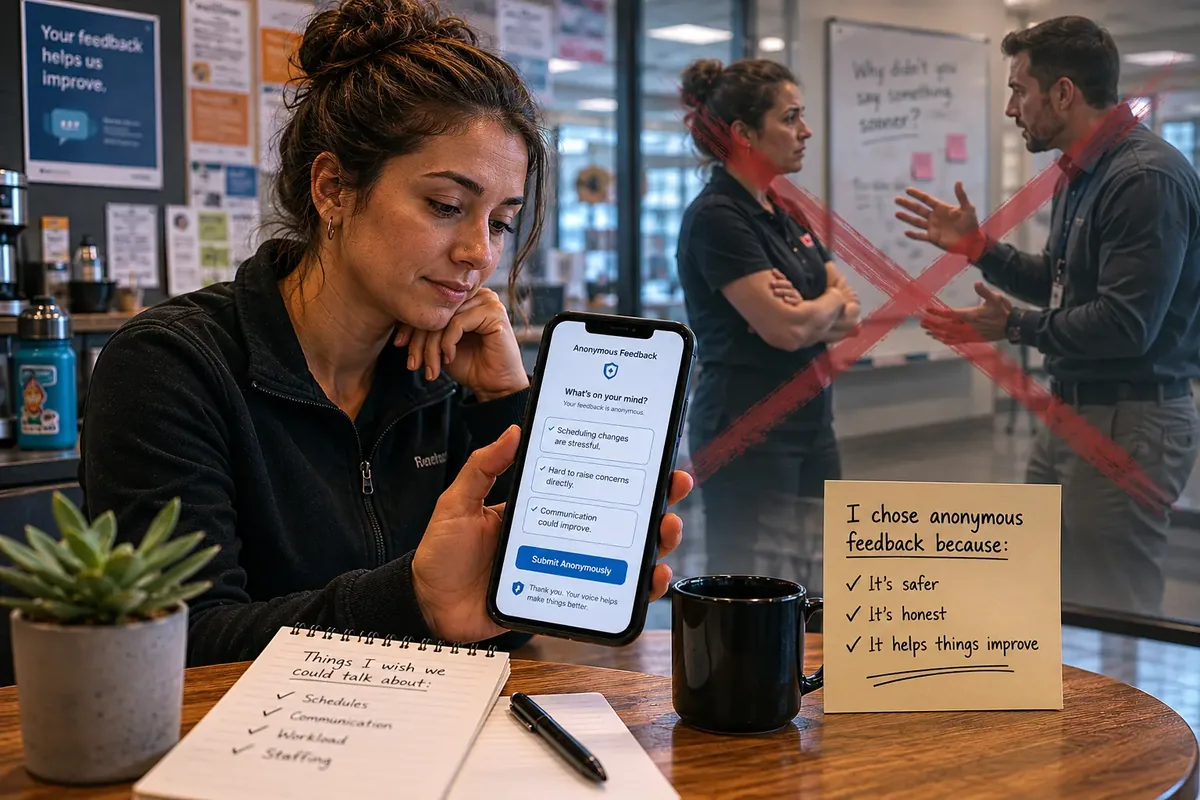
Anonymous Feedback Isn't About Hiding. It's About Removing Pressure.
Anonymity is not an invitation to attack. It lowers social pressure so employees can be honest about operations without managing consequences in the room.