
Why Public Reviews Don't Tell The Full Story
Star averages summarize a biased slice of experiences, not the steady operational noise that drives churn.
Bias in public review platforms
Online review ecosystems reward visibility, not representativeness. MIT Sloan research by Anderson and Simester found that many product reviews are written by customers who are not typical purchasers, and verified buyers can be especially negative compared with the silent majority (Anderson & Simester, 2014). The platform shows what was memorable enough to post.
Why average experiences go undocumented
Adequate service rarely motivates a write-up. People think: "It was fine, not worth 10 minutes." Meanwhile, small frictions, slow refills, unclear pricing, inconsistent hours, accumulate across visits without a public trace.
Emotional amplification online
Public posts are performances. Writers imagine an audience: future customers, the owner, friends. That amplifies rage and glow equally. Private anonymous notes are more likely to describe mundane fixes: "Third time the app charged twice," "Lobby music too loud for calls."
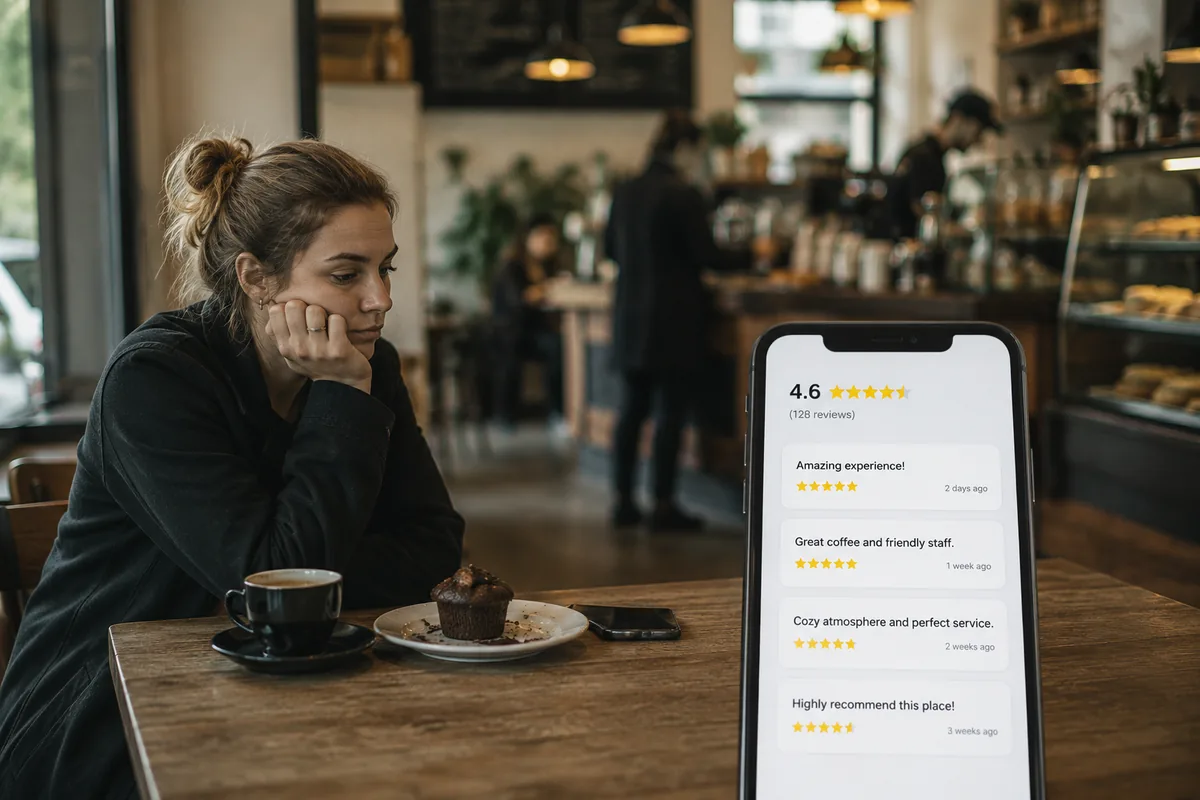
Venting publicly vs. sharing honestly privately
Public venting seeks justice or attention. Private honesty seeks resolution with less social risk. Businesses need the second channel to learn before the first channel lights up.
Identifying trends before one-star reviews
Internal anonymous loops let you spot rising themes, parking, communication, cleanliness, while averages still look fine. That lead time is the difference between a process fix and a rush to manage public ratings.
How MaskedReviews fits
MaskedReviews is built for private operational signal, not public public scorekeeping. Pair it with your review strategy: public pages for social proof, anonymous capture for what to fix next week.
References
- Anderson, E. T., & Simester, B. I. (2014). Reviews without a purchase: Low ratings, loyal customers, and deception. Journal of Marketing Research, 51(3), 249–269. MIT Open Access copy
- Tourangeau, R., & Smith, T. W. (1996). Asking sensitive questions: The impact of data collection mode, question format, and question context. Public Opinion Quarterly, 60(2), 275–304. doi.org/10.1086/297751
Join Early Founder ($5 for 90 days)
Pair public reviews with private capture so you see routine friction, not only the posts that go viral.
Early Founder: $5 for 90 days, then $10/mo locked for life. Standard pricing will be $19.99/mo.